Articles review on the net, revue d'articles sur la toile


Inscription : feeds, flux :
(Atom) Gabriel Real World News

20 avril 2008

Peter Gabriel a fan of Radiohead-esque Internet efforts

(Photo Credit: Martin Klimek)

Peter Gabriel, the Grammy award-winning performer, this week applauded attempts by some artists to experiment with new ways to sell music.

Since October, the bands Radiohead and Nine Inch Nails have generated plenty of notoriety after distributing their own albums--without the backing of any music label--through heavy use of the Internet.

"I think it's fantastic that these new models are appearing," said Gabriel, one of the founders of the band Genesis, told me on Monday. "You don't need very many people to make a project economically viable if you're distributing yourself."

When it comes to musicians knitting together musical and technological interests, Gabriel was one of the pioneers. In 1999, he cofounded one of the first music download stores in Europe, On Demand Distribution, which was later sold to Loudeye.

On Tuesday, The Filter, a company that Gabriel has invested in, went into beta and is due to open to the public next month. The Filter is a recommendation engine designed to help improve people's chances of finding digital music, video, film and literature they like on the Web.

Gabriel says he's working on a couple of new tech projects. "They could be quite interesting if we get them right," he said. "One has something to do with a visual language...tech is fun as long as it doesn't bankrupt me in the meantime."

As for the changes in the music industry, Gabriel also was intrigued about Live Nation, the concert-promotion company that is agreeing to pay huge upfront money to sign marquee artists, such as Jay-Z and Madonna. In exchange, Live Nation shares in the profits from sales of records, concerts, downloads, and merchandise.

"I'm not someone who really is out to destroy the record business," Gabriel said. "But I think it has to reinvent itself as a service industry and be competitive with other entities...what I don't like is the old model where (the labels) own you and can ignore you and you're just put up on a shelf. That model is gone or should be...unless you get that big Live Nation-type deal where they are paying you so much that it's a very comfortable prison that you're in."

by Greg Sandoval

Peter Gabriel backs media filter site

Sophisticated tool removes burden of choice

Rarely do entertainers take the position that the world is awash in too much entertainment. But that's the premise of a new Website called TheFilter.com backed by Peter Gabriel and U.K. firm Eden Ventures.
The site, which cost about $8.5 million to develop, launched April 15 in a beta version. It aims to bow commercially in the coming months, deriving revenue partly from ads and partly from fulfillment services for partners like Nokia and U.K. music company the Ministry of Sound.

Filter takes the algorithms used by Amazon.com and Netflix to a new level. Combining social networking, downloadable music, Web videoclips and movie and TV databases, the site touts itself as the most sophisticated tool yet for those wanting hyper-personalized entertainment.

"One of the many joys of the Internet would be freedom of choice, but many of us are now drowning in an ocean of options," Gabriel says. "An intelligent filter can remove the burden and boredom of choice. "

The pop star is famous for unorthodox detours, though he will be back in the mainstream this summer with the end-credits song on Disney/Pixar's "Wall-E."

The site's underpinnings rely on a form of artificial intelligence called Bayesian mathematics. And it gets smarter the more information it gets. Sign up hundreds of friends, a la Facebook, and their recommendations enter the mix. Plug in credit card info and each purchase will be tracked and unexpected connections made.

The user experience is breezy: A sliding scale pops up for each item searched or recommended. As with Apple's iTunes, it seeks user ratings, only with percentages instead of stars.

Backers of the site, Gabriel chief among them, see unlimited potential for the Filter.

"We're sticking with entertainment for now," says chief exec David Maher Roberts. "But Peter travels a lot and he says he can envision the Filter telling him where to go to eat when he turns up in Barcelona."

By DADE HAYES

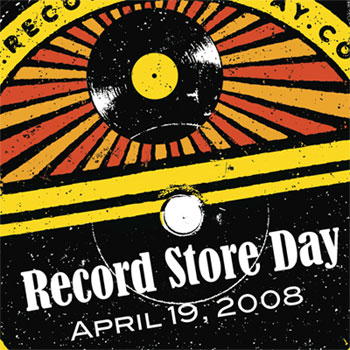
Record Store Day: Time to Celebrate the In-Store Purchase

As much of America learned Wednesday night from a caller's question on American Idol, this Saturday is Record Store Day, a time to celebrate independently owned record stores and, as the organizers put it, "the culture and unique place that they occupy both in their local communities and nationally."

The day is an attempt to raise awareness about the value of the in-person perusing and purchasing experience that is currently in danger of extinction as the existence of many independent stores is threatened by the download. All kinds of fun stuff is planned for Saturday, including exclusive track releases from bands like Death Cab for Cutie, Vampire Weekend, Built to Spill, and R.E.M. and in-store performances and events occurring all over the country.

I've asked you before what your first album was, and I'm guessing most of them were purchased in actual stores. Do you get nostalgic thinking about that experience, and are you worried that the little record store down the street could close down? Do you ever buy your music in person anymore?

Tons of people, from famous directors to music legends, have weighed in on what record stores mean to them. To check out some of my favorite quotes and watch a clip of Regina Spektor talking about why she's excited for Saturday, read more.

  • Ben Harper: “Independent record stores are much more than the name suggests. They are an international community and platform where music has an outlet and an opportunity to grow over the long term, in a way that sincerely connects with community and culture. They are also a magnificent mob of highly opinionated musical bandits which I am proud to call my pals!"
  • Peter Gabriel: "I was introduced to lots of great music through my local record store. It was a place where people knew music and they knew me, and could make great suggestions and discoveries. Whether it is in the physical world or on-line, the value of a great and knowledgeable record store has not gone away."
  • Norah Jones: "It’s important to keep indie record stores alive because their unique environments introduce music lovers to things in a very personal way."
  • Nick Hornby: "Yes, yes, I know. It's easier to download music, and probably cheaper. But what's playing on your favourite download store when you walk into it? Nothing, that's what. Who are you going to meet in there? Nobody. Where are the notice boards offering flatshares and vacant slots in bands destined for superstardom? Who's going to tell you to stop listening to that and start listening to this? Go ahead and save yourself a couple of quid. The saving will cost you a career, a set of cool friends, musical taste and, eventually, your soul. Record stores can't save your life. But they can give you a better one."
by Buzzsugar

The Filter's mission: Refining your tastes

Peter Gabriel's latest venture isn't a new album but a better way to serve up music and other entertainment on the Internet. The Filter (thefilter.com) is the latest entry in a growing lineup of online recommendation engines that suggest new music based on your current favorites. Unlike sites such as music's Pandora.com and film's Flixster.com, The Filter "is trying to expand," going beyond music and movies into TV and videos, Gabriel says.

Multimedia has been a strength for Gabriel, who has incorporated theatrics into concerts as the original lead singer for Genesis and as a Grammy-winning solo artist. His early CD-ROMs "Xplora" and "Eve" pushed the interactive envelope in the '90s. While working with On Demand Distribution (OD2), an online music distributor he co-founded in 2000, Gabriel became intrigued with the idea of a software program that could sift through the totality of music and recommend new songs. He registered thefilter.com Web address and later joined recommendation technology firm Exabre and some former OD2 engineers in the new venture.

"This vision was that we are all filters in one way or another," Gabriel says. "We have our experiences and our tastes. And we're trying to find some smart ways of taking advantage of that so that you can mix not only your own taste, (but also) your friends and musicians, artists, filmmakers, critics, magazines or (other) taste-making influences. You should be able to access them and hit a do-it button and get some stuff that you wouldn't otherwise."

An all-in-one recommendation project makes sense, says Paul Resnikoff, editor of DigitalMusicNews.com. And Gabriel's involvement "just brings it above the level of other startups," he says. "He's a cutting-edge digital entrepreneur. It's good energy." At its simplest, The Filter uses proprietary artificial intelligence to suggest works that are similar to ones already identified as favorites, using a database of more than 4.5 million songs and 330,000 movies. The database will account for users' changing tastes and grow as more users join during the private beta-testing period (request access at thefilter.com).

"The more evidence we collect, the better the recommendations overall. And the more we know about you individually, the more we can filter content to suit you," says CEO David Maher Roberts. Rate some artists such as R.E.M. and The Strokes as favorites, then judge a playlist of song clips - in this case from Dire Straits to Wilco - and The Filter creates "Music for You" such as Cream and Leonard Cohen. By next month's public launch, a user will be able to add friends' filters and Flixster and Last.fm profiles. Web video recommendations will be improved; TV filters and iTunes purchase links will be added. The Filter will continue to evolve, Gabriel says. "The theory would be that instead of a disc jockey, you have a life jockey. I personally would love to live in a filtered world as long I can control the filters."

MIKE SNIDER, USA TODAY

Record Store Day '08

In an effort to battle big box retailers like Wal-Mart, Target, and Best Buy, a group of record store alliances have come together to sponsor smaller, independent retailers with an event creatively called "Record Store Day," happening Saturday, April 19. The Alliance Of Independent Media Stores, Coalition Of Independent Music Stores, Music Monitor Network, Newbury Comics, and Value Music Group Of Indie Stores have banded together to push shopping at 300 smaller record shops across the United States and United Kingdom. Numerous artists have jumped on board for the cause, including Paul McCartney, Bruce Springsteen, Peter Gabriel, Wayne Coyne (of the Flaming Lips), and Patterson Hood (of the Drive By Truckers).

Many bands are participating by performing special in-stores while other participating stores (a complete list of which can be found here) are having sales to promote the event. We've always been supporters of the little guys and have frequented great independent record stores in Chicago and all over the country. A ton of great records have been released recently by both national and local acts, and with the warmer weather, it's a great time to get out pick a few records up.

By Marcus Gilmer

Album: Daniel Lanois, Here Is What Is (Red Floor)

Here Is What Is is the soundtrack to a documentary in which the acclaimed producer of Dylan, U2 and Peter Gabriel tries to reveal “the source of the art, rather than everything that surrounds the art” – an impossible task, but one he comes close to fulfilling at various points here, most notably in enabling “Lovechild” to blossom into a complete song from the initial root of Garth Hudson’s piano improvisation.

His frequent control-room companion Eno pops up here and there to offer a word or two of advice, while Lanois himself applies his familiar hazy ambience to guitar and pedal-steel instrumentals such as “Smoke #6” and “Blue Bus”, and inquisitive, soul-searching songs such as “Where Will I Be” and “I Like That” - the latter his very own “My Favourite Things”.

Little Brother Is Watching

Defending human rights with cameras and Internet connections

Over the last few years, a brave band of Egyptian activists has circulated footage of policemen striking, lashing, and even raping detainees. The torture videos, filmed by the cops themselves, prompted protests both inside and outside the country. They also prompted censorship: YouTube temporarily shut down the dissident blogger Wael Abbas’ digital video channel after receiving complaints about the violent clips.

The channel has since been restored to YouTube. Much of its footage can also be seen on a website called The Hub, which is what YouTube would look like if it had been designed by Mohandas Gandhi. Since the first test version of The Hub appeared in 2006, more than 500 pieces of media content—videos, audio clips, slide shows—have been uploaded to it. Since December 2007, the results have been open to the general public. The content ranges from raw footage of a massacre in Guinea to a detailed documentary about forced labor in rural Brazil.

The site was created by Witness, a Brooklyn-based group founded by the globe-trotting pop star Peter Gabriel in 1992. Conceived in the wake of the Rodney King beating, the group initially focused on getting camcorders into the hands of human rights activists around the world. The goal, in Gabriel’s phrase, was to create a network of “Little Brothers and Little Sisters” to keep an eye on Big Brother’s thugs. He rapidly discovered that distributing tools wasn’t enough. To be really effective, you need a network.

“What we learned over the first four or five years was that the promise that Rodney King represented couldn’t be realized just by providing cameras to human rights groups,” says Sam Gregory, Witness’s 33-year-old program director. “In the absence of technical training, they couldn’t produce video that would be used by news organizations and they couldn’t craft the stories that would engage audiences.” The group did manage to place some footage in the news media, but even then it had trouble leveraging those appearances into actual change.

“So we learned to think more strategically about what kind of training you provided to groups, how you helped them tell stories, and, most importantly, where you tried to place that material,” says Gregory. The organizers didn’t want filmmaking to become a substitute for activism, so the videos were integrated into existing campaigns. “The voices that need to be heard are the ones closest to the violations,” Gregory explains. “It’s not a centralized vision, and all our work derives from the agency of those locally based human rights groups.”

The African group Ajedi-ka, for example, wants to stop the use of child soldiers in Congo’s ongoing civil war. One of its efforts involved going to village meetings around the region and trying to persuade parents not to let their children be recruited voluntarily. With assistance from Witness, Ajedi-ka created a video to “present a range of voices explaining the damage without pointing the finger at the parents so they just feel guilty, but instead giving them an option to find alternatives for their children.” The group kept going to those grassroots meetings, this time with a TV and a generator in tow. It credits the video with helping reduce the number of child soldiers recruited in those areas.

Other Witness videos have been screened in more high-level settings. The Mexican Commission for the Defense and Promotion of Human Rights, for example, has been organizing around the murders of young women in Juarez, trying to bring attention not just to the killings themselves but to the conduct of the local police, who are accused of coercing confessions from scapegoats rather than seriously investigating the crimes.
“We worked on a video that found a very powerful individual story that spoke to the broader pattern,” says Gregory. “It was the story of a young woman who disappeared shortly before she was due to go to university. She’s never been found, but the police two weeks later arrested her uncle, accused him of the murder, and tortured him into confessing.” The commission “showed it to the attorney general’s office in Mexico and to local politicians there, and as a result of that the young man who had been arrested was released.”

The human rights community is not always harmonious. Organizations disagree about everything from the efficacy of economic sanctions and military intervention to the very definition of human rights. The Hub has, in Gregory’s phrase, a “broad church” approach, accepting videos on a wide range of topics from groups with very different ideas about appropriate solutions.

Those activists already could post at YouTube, of course, but Witness felt there was a need for a more secure system. “People may be uploading from situations where the government is watching the Internet and there may be potential repression,” Gregory points out. “Once they upload, we don’t hold onto their IP address, so if someone tries to obtain that information either legally or illegally we are unable to identify where users are based.”

Witness also wants to avoid incidents like YouTube’s suppression of Abbas’ digital video channel. The Hub does refuse to post some clips, either because they will place someone in the footage in further danger or because there are doubts about the material’s accuracy. But even in such cases, Witness hopes to move to a more user-based method of assessing content, so that clips are removed when the community of viewers finds substantial reasons to believe material has been faked or distorted.

The biggest difference between The Hub and YouTube is that the younger site is more concerned with context. Most of The Hub’s videos appear with additional information about the underlying issues and ways to act against the abuses. And Witness will soon make it easier to move the clips offline as well as watching them in cyberspace. (“Perhaps there’s only one connection to the Internet,” says Gregory, “so what you want to do is download it and take it into a communal setting.”) In these ways, the organizers argue, they’ll avoid the mistake they made in the early ’90s, when they assumed it would be sufficient simply to distribute cameras to like-minded comrades around the world.

“It’s not OK just to see scenes of misery,” says Gregory. “In fact it can be deeply draining and frustrating both for the people creating it and the people watching it. You have to think about ways to contextualize and ways to act.”

Managing Editor Jesse Walker is the author of Rebels on the Air: An Alternative History of Radio in America (NYU Press). To read the full version of his interview with Sam Gregory, go here.


18 avril 2008

Emmanuel Jal rejoint le combat MtVu "Turn It Up" contre le genocide au Darfour

"War Child", Documentaire à l’affiche du festival du film de Tribeca

Ancien enfant soldat soudanais reconverti en artiste hip-hop international, EMMANUEL JAL lutte contre le génocide au Darfour. En partenariat avec STAND, une coalition d’étudiants anti-génocide, Jal sera aux côtés d’artistes tels que Death Cab for Cutie, Atmosphere, Tapes ’n Tapes, Dizzee Rascal, Tokyo Police Club, The Long Blondes entre autres, pour allier le pouvoir de la musique à l’esprit activiste des étudiants, et ce dans le but de lutter contre l’une des pires crises humanitaires mondiales. Le prochain album de Jal, « Warchild » est prévu pour le 13 mai, et il fera partie de cette promotion. Plus d’informations sur « Turn It Up »

Le film documentaire “Warchild” retrace la vie extraordinaire de Jal, il sera projeté cette année au Festival du Film de Tribeca à New York à la fin du mois.

L’époustouflant titre extrait du prochain album de Jal « Warchild » est disponible dès maintenant en single digital sur iTunes. Le quotidien anglais The Independent qualifie Warchild de « réel plaisir d’écoute… Je recommande vivement ce chef d’œuvre à tous ceux qui apprécient la musique à tendance littéraire, introspective et à la fois touchante. » Jal vient juste de terminer le tournage du clip du single de « Warchild » ; le clip ainsi qu’un reportage exclusif sur les coulisses du tournage seront disponibles très prochainement.

Emmanuel Jal connaît mieux que quiconque la situation dramatique du Darfour. Quand il n’était âgé que de 7 ans, Jal a été enlevé et a reçu de force pendant 7 ans l’entraînement des enfants soldats, combattant au sein de l’Armée du Peuple Soudanais pendant la guerre civile. Il a appris à utiliser une arme à feu avant même de savoir faire du vélo et vivre avec les cauchemars et les choses innommables qu’il a du faire pour survivre. A environ 13 ans, accompagné de 400 autres enfants soldats, il décide courageusement de déserter les lignes rebelles, parcourant les déserts vides à la recherche de nourriture et d’un abri. Seuls 16 enfants ont survécu et acquis la relative liberté d’un camp de réfugiés : Jal était l’un d’entre eux.

Une fois revenu dans le “vrai monde”, Jal s’est réfugié dans la musique qui l’a préservé. Sur « Warchild », Jal mixe des rythmes venus de tous horizons, mêlant ses influences africaines avec des résonances hip-hop, et raconte son incroyable histoire au travers de chansons telles que « Forced to Sin », « Many Rivers to Cross » ou encore « Baaki Wara ». Durant ces dernières années, il s’est rapproché d’artistes comme Peter Gabriel, Bono, Moby et Bob Geldof qui ont aidé Emmanuel d’innombrables manières, aussi bien pour sa musique que pour sa base de Gua Afrique qui aide à l’éducation d’anciens soldats d’enfant.

First Look and Invites To Peter Gabriel’s New Music Discovery Site: The Filter

Peter Gabriel And The Filter: "Searching" Your Mind For Web Hits

The very next morning, I drive up to Redwood Shores to sit down with legendary rock icon, and Genesis co-founder, Peter Gabriel to talk about his next big thing. But instead of a loud guy talking about himself and his projects and his legacy, I got instead a thoughtful, soft-spoken, insightful visionary, thinning, gray hair and a distinguished gray goatee, taking what he says is the next logical step in his evolution as an artist and a businessman. At 58, he's launching his next project called The Filter.

At first blush, you'd think the website was designed to take on Google and Yahoo and other conventional search engines, a daunting task even for a big-time star, well-capitalized, like Peter Gabriel. But he's quick to point out that while there might be competition, he sees a time when The Filter co-exists with other, established search sites. So what is The Filter? It's a search engine using a new algorithm that its creators say can almost read your mind. It bases its search results on patterns of searches you've already launched so the results are far more tailored to what the technology "thinks" you're looking for.

And that would be welcome relief for those of us used to searching for something on Google and getting millions of pages of results that we have to comb through to find what it is we're actually interested in. Gabriel says The Filter is kind of like a freedom "from" choice instead of the freedom "of" choice.

"In the same way you have a disc jockey who makes choices for your music," he tells me, "You can imagine a life jockey who helps you with all sorts of choices." "The Filter" got started last year and since then, about 200,000 users have downloaded the software. Up until today, the site has been solely focused on music.

Today, the site, in beta testing, expands to videos, television programming, books and all sorts of digital entertainment. Using the same algorithms, the software filters your online media activities and habits, and along with a social networking component, recommends results in which you're far more likely to be interested than conventional search engines.

Or so the creators say. "All these people going into video, what they're doing is adding inventory, adding content," says David Maher-Roberts, The Filter's CEO. "The one challenge we have is how the hell do people navigate around all this new content? And that's where The Filter comes in." Even though the company says it's not directly in competition with Google and Yahoo, that doesn't mean it's got the market all to itself. Amazon is already there. Some of the major media companies, including CBS, are trying much the same thing.

Gabriel though might have a leg up, aligning the site with and iTunes already, and looking for more partnerships down the road. In fact, once users download The Filter software, other companies can incorporate the algorithms and let users plug in their preferences to other online digital entertainment sites.

Gabriel tells me that his site could actually be a boon to digital entertainment as well as the creativity among artists trying to market and sell their productions, pleased to be building on his love of technology that stretches back to his electrical engineer father, who's 95 years old. "With the music, the old industry is dead, but all sorts of interesting life forms are springing up from the corpse," he tells me. And The Filter will give consumers a better handle on finding the kinds of entertainment that appeals most to them, and with every new discovery will come even more. "I just think you've got to follow the things that interest you," he tells me. "You've got to sniff and chase. It's a simple philosophy, really."

Posted By:Jim Goldman

Celebrity Music Throwdown, Part 1: Peter Gabriel and the Filter

The Filter and Peter GabrielFrom left: Martin Hopkins, co-founder and CSO of The Filter; Peter Gabriel. the Grammy award-winning artist, and David Maher Roberts, Filter’s chief executive. (Photo: Martin Klimek)


Today, a look at two celebrity-influenced startups trying to ride revolutionary changes in the media business. And you get to vote: Do these Internet companies have a chance of being successful?

First up: The Filter, backed and advised by the British singer and technology evangelist Peter Gabriel, who was in San Francisco last week promoting the company in advance of its relaunch today.

The year-old start-up, based in Bath, England, started life as yet another music recommendation service. About 200,000 users have downloaded the software, which tracks what music they listen to and purchase online, then recommends new songs or bands they might like.

The new system, which was reintroduced Tuesday in a private test, takes a more comprehensive approach. The service will now filter all online media habits – the music and movies people like, the Web videos they watch, and soon, the books they buy – and offer advice about all their entertainment and information options.

“In this age, where the curator is becoming just as important as the creator, the disc jockey becomes the life jockey,” Mr. Gabriel said. “You carry this around with you as a tool that is available 24 hours a day to help you make choices.”

Users must still download the Filter software to their desktop, where it spies on… er, digests various streams of Internet behavior (the music and videos they keep in iTunes, their streaming and browsing history, etc.). Users can also connect with their friends on the service and track their media-consuming behavior. UPDATE: The company says the download is optional but provides richer recommendations.

The company then threads that information through its algorithms to generate highly targeted and personalized recommendations – not only the songs, movies and Web videos users might like, but also what they might be in the mood for at a particular time. Each user will get a home page on the site where they will see their recommendations.

The Filter has lots of competition, of course. Amazon and Apple’s iTunes make similar recommendations very close to the potential point of sale. The Filter must also jockey for position with music-only recommendation services like the CBS-owned Last.fm.

But the company, say its founders, has the advantage of being more comprehensive and more open. Users can feed in their activities on other Web sites, like Netflix, Last.fm and the music site Imeem. And other companies can license the Filter’s recommendation engine and integrate it into their own sites.

Mr. Gabriel, who also backed We7.com, a British streaming music site, and Od2, one of the first music download services, now owned by Nokia, says he’s excited about the ways that the Web is taking a sledgehammer to the music business.

“All sorts of new life forms are emerging out of the corpse of the music industry,” he said. “Anything the old music business was looking at, they had to feel like there was going to be $100,000 in sales before they put their hand in their pocket. This should allow a lot of experimental projects.”

Peter Gabriel's filter

The rock star hopes to shock Amazon with a new web-based recommendation service.

(Fortune) -- There's a reason Peter Gabriel is a household name. One of the founders of the super-group Genesis, the British rock star went on to have great success as a solo artist known for his outlandish costumes, his cutting edge music videos, and of course, his '80s hits like "Sledgehammer" and "Shock The Monkey," which were both artistic and commercial milestones.

What's less known is that the 58-year-old Gabriel has done rather well since then as a digital media entrepreneur. In 2000, he co-founded OD2, which quickly became the leading European digital music provider with clients like Nokia and MSN. OD2's owners reportedly later sold the company for an estimated $20 million. (...)

(...) It's a long leap from recommending music to choosing their restaurants in foreign cities. Still, the idea is intriguing. Gabriel isn't just taking about this either. He's putting up a lot of money to make it happen. "This is definitely something that's worth watching," says Gartner analyst Mike McGuire who, like Fortune, was briefed by The Filter before the private beta launch.

As you might expect, Gabriel is in the studio working on new music, too. He owes one more album to EMI. After that, he plans to release his music on his own a la Radiohead. The graying rocker is thrilled that the Internet is giving artists a new means of distributing their music -- especially the ones who couldn't get a record deal even in the industry's better days. "I like it that the inmates are running the asylum,' says Gabriel.

This, of course means more choices for those overwhelmed consumers that Gabriel is so concerned about. All the more reason for his new company, right? No wonder he's so pleased. To top of page

Rocker Peter Gabriel offers Filter to cut through online clutter

Internet users are awash in information every time they search for new videos, music, or books online, says rocker Peter Gabriel.

One of the founders of the rock group Genesis and the creator of the iconic solo album So, is an investor in The Filter, a recommendation engine that now offers to help users cut through clutter on the Web and find the kind of content that will appeal to them.

Until now, The Filter has operated mostly in Europe as a music discovery service. A redesigned site is now offering to find a much wider array of content, Gabriel told CNET News.com on Monday. On Tuesday, the service is scheduled to begin allowing invitees to help test the site, which will be opened to the public sometime next month.

"When you drown people in an ocean of information, you've got to give them navigation tools," Gabriel said. "I know that there is better stuff out there than what I generally am exposed to...So if I have a sort of intelligent ally working with me 24 hours a day, I think I have a much better chance of getting the stuff that will entertain, excite, and inspire me."

When it comes to improving the experience of searching the Web for music and other entertainment content, technology has mostly come up short. Despite a plethora of specially designed search engines, it's still not easy to find material that appeals to you. Certainly, few search engines, if any, provide better results than Google.

According to Gabriel, The Filter's system sizes up a lot of information before spitting out suggestions.

It runs a person's past searches, purchases, and site visits through a new set of filters that may include the opinions of friends, favorite critics or reviewers--whatever the user wants. Executives at The Filter also say their algorithm can make recommendations that cut across different entertainment platforms.

Say, for example, you like film director Ridley Scott's Blade Runner. The Filter can use that to suggest certain songs.

"At the moment, there is nothing in Google that I know of that allows me to put in my taste and get recommendations," Gabriel said. "I can research and go quite deep in one direction. One great navigation tool is your taste. We allow you to integrate your taste and choices with your friend, your favorite musician, film director, or whatever."

Freedom from choice
Gabriel isn't slumming it in the tech sector.

Sure, the 58-year-old is famous for his stands on social issues, in addition to churning out hit songs for more than 40 years. (Ask yourself if we would love Lloyd Dobler or boom boxes as much without Gabriel's help in the cult film Say Anything).

He co-founded On Demand Distribution, once the largest digital-music service in Europe, before selling it in 2000 to Loudeye, a company acquired by Nokia in 2006 that provided music delivery platforms. Gabriel also helped develop games on CD-ROM.

The son of an electrical engineer, Gabriel said he has never written any code, but he loves kicking ideas around with creative people.

"I inherited my father's enthusiasm for technology, but not his skills," he quipped.

Gabriel wants to combine his music and tech passions. He says being bombarded by data only serves to discourage people from hunting for what they want.

He remembers a conversation he had years ago with a friend about how much freedom the Internet provided. His friend said something that stuck with him: "Maybe there is a deeper yearning out there for freedom from choice."

Ideas Worth Spreading

Imagine sitting in an audience of one thousand people, a large majority of which have names such as Peter Gabriel, Bill Clinton, or Bono. A simple stage with a screen and some Macs awaits the next 18-minute speech from the likes of Al Gore (who did not actually invent the internet) or Larry Page from Google (who actually did reinvent it.) At the end of a long day of speeches, you wander the halls discussing things like poverty in Africa with attendees such as famed linguist Steven Pinker, one of the members of Pilobolus, or maybe Cameron Diaz.

The conference circuit can be a dull, lifeless landscape. Rich, cultural elitists jet to exotic locales such as Davos, Switzerland for a week of hobnobbing with other business and political giants. Fancy dinners, self-important speeches and a general aura of snobbery tends to fill the air. In the tech world, a wide ranging series of conferences of this nature only lack the allure of the bold-named political figures, making them even more droll and lifeless. In general, the international conference circuit has taken a huge financial hit in recent years, as people find that more pressing matters fill their time and fewer institutions have the budget to participate in these back-slapping festivities.

Yet one conference continues to shine a powerful light into this wilderness. Eschewing stuffy attitudes for heady dialogs, eager participants shell out $6,000 more than a year in advance to attend this meeting of powerful minds. Everyone knows one another by first name, the most powerful of which may be the meeting’s name itself: TED. The annual Technology, Entertainment, and Design conference, held in Monterey, CA each February, has been drawing a fascinating mix of global leaders in their respective fields with the purpose of creating a dialogue between those with the ideas that could reshape the world and those who have the means and celebrity to make them happen.

Created in 1984 by Richard Saul Wurman and Harry Marks, the conference had a slow start and didn’t become annual until 1990. Designed to bring together the best and brightest minds from the design and tech sectors, it didn’t achieve the stature it now has until it was taken over in 2002 by Chris Anderson’s Sapling Foundation. Anderson made his millions launching one of the most successful tech publishing companies in the world, putting out titles such as MacAddict, PC Gamer and Business 2.0. He left the publishing world to take on TED full time, quickly developing it into the star-studded event of the year. Attendees come with a passion for being ahead of the curve when it comes to ideas that could change the world. Its massive star-power allows TED to charge an outrageous fee, and important people from all over the globe wait breathlessly for the much-coveted invite each year.

Recently, the TED organizers decided that these ideas deserved an even wider audience - one that doesn’t necessarily deserve an invitation, but could benefit from the insights and ideas that the conference covers. TED.com was launched in 2007 and is easy to get lost in for hours at a time. Intuitive navigation leads you to videos of Peter Gabriel discussing important work documenting human rights abuses. Theo Jansen displays his “Strandbeests” (graceful tubular machines that lope across the beaches of Holland using only solar and wind power to evolve their survival instincts independent of human interference). Steven Pinker gives an eye-opening talk about how humanity is actually less violent now than ever before, despite popular perception to the contrary. Each talk is compact and originally delivered to an audience of powerful peers, so you never feel as if you are being talked down to.

A mind once stretched by a new idea never regains its original dimension.

Oliver Wendel Holmes, Jr.

One soon gets the idea that these people are not only interested in world-changing ideas, they have the power, creativity, and money to actually bring them to life. This realization led to the 2005 addition of the TED Prize. Consisting of an initial monetary award of $100,000, the Prize more importantly grants each recipient “one wish.” One idea that might change the world, along with the connections and resources to give it a fighting chance. Bono, one of the first winners, led the charge with a wish to “empower Americans to fight stupid, crushing poverty in Africa and AIDS by making a big noise.” This led to the One campaign, which signed up more than two million people online in less than a year. An anonymous TED donor gave $10 million to the organization, and more than a billion press impressions have made the cause of Africa top priority on a global scale. Not a bad way to launch the Prize.

TED clearly involves more than rubber chicken dinners and celebrity sightings. Growing stronger and more influential each year, with a wide swath of international heavyweights granting it a cult-like status, this is one conference that puts action and results behind its lofty rhetoric. The website continues to grow in popularity, with a blog and active comments attached to each video presentation. A separate series of semi-annual meetings have been started in developing areas like Tanzania, drawing crowds of international do-gooders and generous donors. The idea, as TED would tell you, is certainly worth spreading.

Peter Gabriel wants to help organize entertainment options

Photo : Arnold Newman / Real World

LIFE JOCKEY: "Getting the good stuff without the grief, that is the dream. And I'm not talking just about music, I mean everything. Not just a disc jockey, but a life jockey."


The tech-savvy musician is launching a website that helps viewers sift through recommendations.

PETER GABRIEL has always roamed the sector between art and science. "My father was an electrical engineer," the English musician said, "and while I didn't inherit his talent for invention, I did pick up a love of innovation, a passion for finding the next."
The search for next has taken Gabriel into a dizzying array of directions (his pioneering CD-ROM "Xplora1" in 1995, for instance, framed many of the Digital Age possibilities for musicians), but right now he is most excited about an endeavor that narrows the number of ideas: The Filter.

"We've all sat there at the computer with muscle fatigue in our thumbs and faced with so much information without focus," said Gabriel, a partner in the new website. "Getting the good stuff without the grief, that is the dream. And I'm not talking just about music, I mean everything. Not just a disc jockey, but a life jockey."

TheFilter.com has a beta launch today and goes public in May to join a wide and churning group of recommendation engines. (Many track only music preferences; the Filter aspires to add film to the mix.)

Clearly, many people realize that the Internet can create a "tyranny of too much choice," as the Filter's chief executive officer, David Maher Roberts, puts it. The Filter combines purchase, consumption and browsing data (it tracks accounts on Netflix, Flixster, etc.) to create an experience map. The next level, Gabriel said, will be to meld your profile with someone else's.

"If you have a friend who knows more about reggae than you, or there's a critic or a composer who intrigues you, you can mash-up your profiles. That's where we want to go. That's where a lot of people would like to go."

By Geoff Boucher, Los Angeles Times Staff Writer
April 15, 2008

17 avril 2008

Toto La Momposina

A la fois chanteuse et danseuse, figure emblématique de la musique colombienne, unissant rythmes africains et fièvres indiennes Toto vient, comme ses ancêtres, d'une île nommée Mompos, dío Momposina qui se trouve sur le fleuve de Magdalena.

Issue d'une famille de cinq générations de musiciens, Toto a appris à chanter et danser dès son enfance. Très jeune , elle a voyagé de village en village pour apprendre les rythmes, les danses ainsi que l\'art des "Cantadoras" (chanteuses traditionnelles des villages).

En 1968, elle forme son premier groupe et commence une carrière professionnelle. Elle acquiert une grande réputation et tourne à travers les Amériques et l'Europe.

En 1982, elle accompagne Gabriel Garcia Marquez à Stockholm pour jouer lors de la remise de son prix Nobel. Puis elle s'installe en France et en Allemagne. Deux albums ont été enregistrés à Paris à cette époque : "Toto La Momposina" pour Auvidis et "La Colombie-Musique de la côte Atlantique" pour ASPIC.

En 1987, elle rentre en Colombie mais donne de nombreux concerts dans toute l’Amérique du Sud, dans les Antilles, et étudie le Boléro à Cuba. En 1992, elle enregistre "La Candela Viva" pour le label de Peter Gabriel Real World.

Depuis lors, elle ne cesse de se produire à travers le monde. Son répertoire est composé d'une multitude d'influences. S'y côtoient la cumbia, le bullerenge, la chalupa, le garabato et le mapale issus de la côte caraïbe, mais également du son cubain, de la guaracha, de la rumba et du bolero-son.

TV5 Mondomix

16 avril 2008

Peter Gabriel lance The Filter

Il ne s'agit pas d'un nouvel album de Peter Gabriel, mais bien d'un nouveau réseau social se donnant pour objectif de faire découvrir à ses membres, films, musiques et clips vidéos.

En 1999, peu après avoir cofondé On Demand Distribution (OD2), spécialisé dans la distribution numérique de musique en ligne, Peter Gabriel a imaginé The Filter et a enregistré le nom de domaine thefilter.com.

«Au départ, nous étions convaincus que l'un des bonheurs de l'Internet serait la liberté de choisir, mais la plupart d'entre nous se noient dans un océan de possibilités. Un filtre intelligent peut éliminer le poids et l'ennui inhérents aux choix, tout en répondant à nos goûts et à nos besoins grâce à une profusion d'activités d'exploration et de découverte. The Filter est un compagnon en ligne intelligent, c'est-à-dire qu'une fois qu'il connaît votre personnalité, vos goûts et vos humeurs, il sera chaque fois en mesure de vous faire découvrir un trésor», explique Gabriel à propos de son site.

The Filter qui sera sous peu lancé en partenariat avec OD2 et Exabre, une société spécialisée dans les technologies de recommandations, utilise l'intelligence artificielle pour suggérer aux utilisateurs des œuvres similaires à leurs œuvres favorites. Pour ce faire, la base de données du site contient 4,5 millions de chansons et 330 000 titres de films. La base de données tiendra compte des goûts des utilisateurs et s'enrichira en fonction du nombre d'adhérents.

Actuellement en période de test beta privée, The Filter sera lancé le mois prochain et permettra notamment d'intégrer des profils déjà créés sur Flixter et Last.fm.

Marc-André Brouillard (Branchez-Vous)

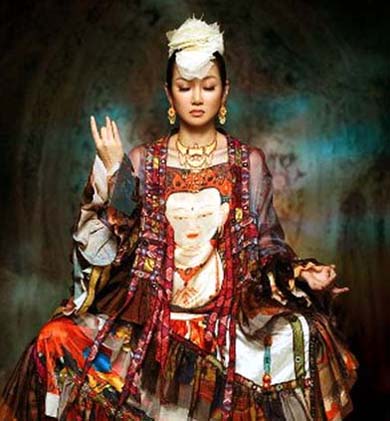
Sa Dingding prix du BBC World Music Award

Sa Dingding, l'artiste chinoise qui perce, remporte le principal prix BBC World Music Award et est nominée pour le prix du public

La chanteuse/compositrice Sa Dingding contribue au maintien du feu des projecteurs sur son pays natal qu'est la Chine, en cette année olympique, en remportant le prestigieux prix BBC Radio 3 World Music Award pour l'Asie Pacifique. Grâce à ce prix, Sa Dingding devient le nouveau visage -et la nouvelle voix- de la Chine dans le monde entier.

Lauréate du prix Radio 3 World Music Award, Sa Dingding a été nominée pour le prix du public. Il est possible de voter en ligne jusqu'au 8 mai ici Ses fans sont encouragés à voter pour elle.

Sa Dingding fera également une apparition lors du concert des lauréats, le 30 juillet, au Royal Albert Hall, dans le cadre de la série de concerts de musique classique de la BBC. Elle a en outre confirmé sa présence parmi les artistes du festival WOMAD.

Le prestigieux prix BBC World Music Award est basé sur l'album Alive, dont la sortie, l'an passé, par l'intermédiaire d'Universal Music, a été saluée unanimement dans le monde entier. Pour plus d'informations au sujet de cet album et de Sa Dingding, veuillez visiter www.sadingding.co.uk

Sa Dingding est à l'origine d'un son puissant et sophistiqué, résultant de la fusion de la musique traditionnelle folklorique et des religions minoritaires de Chine, notamment le bouddhisme tibétain, avec la musique occidentale et l'électronique. Cette musique, mêlée à une voix forte et obsédante, aboutit à un son unique et émouvant.

Sa Dingding est déjà très connue en Chine pour avoir remporté le titre de Meilleure chanteuse folklorique après la sortie de son premier album en 1998. Bénéficiant d'une reconnaissance internationnale croissante, son récent voyage au Royaume-Uni a suscité un vif intérêt de toute une gamme de media, dont Newsnight et the Independent.

La fascination de Sa Dingding pour la musique de l'Asie du Sud provient des ses propres origines; elle est à moitié mongole. Elle joue des instruments traditionnels à corde, à vent et des percussions chinoises, et écrit dans plusieurs langues, dont le Sanskrit et une langue qu'elle a créée elle-même à partir des émotions qu'elle ressent grâce à la musique.

LONDRES -- (BUSINESS WIRE)

13 avril 2008

Youssou N'Dour, fer de lance du premier sommet mondial des "Etoiles pour la Terre"

En amont du premier Sommet mondial "Étoiles pour la Terre", prévu à Ouagadougou au Burkina Faso du 21 au 23 novembre, Youssou N'Dour a pris le temps d'expliquer la mission que lui a confiée le président burkinabé Blaise Compaoré. Il devra réunir des personnalités mondiales de la musique, du cinéma ou du sport, avec l'aide du public via Internet, pour "que l'Afrique se réapproprie la question environnementale".

"Je n'irais pas jusqu'à dire que c'est un échec des politiques et des décideurs, mais il faut bien reconnaître qu'ils ne peuvent pas régler à eux seuls les problèmes", a expliqué Youssou N'Dour dans un entretien accordé à l'Associated Press (AP), lors d'un récent passage à Paris début avril.

"You", ainsi que le surnomment ses intimes, dont Peter Gabriel, discret mais présent au moment de l'entretien, estime que "depuis quelques dizaines d'années déjà, il y a une émergence d'artistes engagés, qui soutiennent des causes justes de par le monde". "Nous (les artistes), on parle aux gens d'une autre manière et nous les rallions beaucoup plus vite à une cause, parce qu'on se rassemble tous".

Pour les politiques, celui dont on dit qu'au Sénégal, qu'"il est aussi puissant que le président (Abdoulaye) Wade", ne mâche pas ses mots. "C'est justement dans ce cadre-là que j'interviens, car eux, (les politiques) sont coincés dans des accords, alors que nous, artistes sommes libres de dire les choses", plaide Youssou N'Dour, le regard assagi, derrière ses lunettes noires de bakélite.

Pour l'artiste-militant, il est temps que l'Afrique prenne des initiatives. "Comme tous les combats menés sur le continent (noir), avec la valeur plus que symbolique du Burkina Faso, un pays d'Afrique enclavé, n'ayant donc pas accès à la mer".

"Là où je devrais convaincre mes confrères et consoeurs, j'irais", promet le roi du "mbalax" qui ne veut pas s'encombrer de courriels mais aller sur place rencontrer les prestigieux noms de son carnet d'adresses, où figurent entre autres, les numéros de portables du chanteur de U2 Bono, de la chanteuse Madonna, des acteurs George Clooney, Leonardo DiCaprio ou du footballeur Zinedine Zidane.

Les personnalités invitées au Sommet de Ouagadougou seront soit adoubées par Youssou N'Dour, soit désignées par le vote du public sur Internet, parmi un panel des 500 célébrités de notoriété mondiale, quelque soit leurs activités ou leurs origines.

Parmi elles figurent le cinéaste espagnol Pedro Almodovar, le romancier brésilien Paolo Coelho, la top modèle britannique Kate Moss, le golfeur américain Tiger Woods, ou la femme la plus puissante des médias aux Etats-Unis, l'animatrice Oprah Winfrey.

Les célébrités élues viendront à Ouagadougou présenter 21 mesures pour la sauvegarde de la planète. Des mesures parfois symboliques, "comme planter un arbre dès l'instant où une carte grise est délivrée n'importe où dans le monde", mais aussi une facilitation à l'accès au microcrédit.

"Tout est admis", conclut celui qui est aussi ambassadeur des Nations-Unies, d'Amnesty International ou du Bureau international du travail (BIT). Et de conclure: "aujourd'hui, l'Afrique et les Africains doivent reprendre les rênes de leur vie, celles de leur destinée".

Interrogé sur le discours de Dakar prononcé en juillet dernier par Nicolas Sarkozy, l'artiste estime que cette allocution a été discutée "par des intellectuels et historiens" mais que, la prononcer devant des étudiants sénégalais était "une erreur symbolique", même si l'artiste, soucieux du détail, plaide que le président français "n'était pas l'auteur de son discours".

Plus incisif, Youssou N'Dour n'attend pas de la France qu'elle dise quoi faire aux Africains. "Nous avons une histoire qu'il faut assumer, les bons et les mauvais côtés. Nous avons beaucoup subi, mais nous sommes là, la tête haute", assène-t-il, joignant le geste à la parole. "Du reste, en Afrique, la France n'est plus leader (en terme d'investissements, NDLR): elle est derrière la Chine et les États-Unis", glisse-t-il dans un sourire. AP

- Sur Internet: http://www.hommesdeparole.org et http://www.voteforearth.org

Peter Gabriel Biographie par Franck Buioni

VOILA A QUOI RESSEMBLE LA BIO. BIENTOT, TOUS LES DETAILS POUR CEUX QUI SOUHAITENT EN FAIRE L'ACQUISITION.

"PETER GABRIEL, BIOGRAPHIE", par Franck BUIONI. Illustration, maquette et mise en page Chloé et Guylaine COLLEWET. Photos additionnelles Jean Philipe BEUF. Editions LULU PUBLISHING, CAROLINE DU NORD (USA), imprimé en ESPAGNE.

En vente dans les jours qui viennent en librairie et directement sur le net auprès de LULU PUBLISHING. Tous les détails concernant les conditions de vente seront indiqués lors de l'attribution de l'ISBN et du dépot légal de la BNF.

Voir le site de THE INTRUDER : http://franckiegoes.blogspot.com/

Big Blue Ball, black and blue Vinyl 2 LP, CD

Originally, planned as a Peter Gabriel project, "Big Blue Ball", a Gabriel owned Real World Records release, has morphed into a collection of tracks featuring a worldwide mix of artists. It would be fair to say that the music is from “around the world” and defies characterization as "world music". The lead track, "The Whole Thing" featuring Francis Bebey, Alex Faku, Tim Finn, Peter Gabriel, Karl Wallinger, Andy White could have been included on the last Gabriel release UP” in terms of its theme and feel. “Everything Comes from You” is another outstanding track with an ethereal introduction that transitions into a chat infused Sinead O’Connor vocal supported by piano, guitar and bass drum. The album ends with the title track “Big Blue Ball” , an upbeat ballad sung by Karl Wallinger supported by Peter Gabriel and Manu Katché. Overall the record just works and after a few listens begins to reveal the notion that we and our musics are all interconnected on this big blue ball we call earth. The CD was mastered by Tony Cousins at Metroplis in London and the 2 LP vinyl editions were mastered and cut by Chris Bellman at Bernie Grundman Mastering in Hollywood, using Classic’s “ALL TUBE” cutting system. Packaged in Deluxe Gatefold Jacket.

Track Listing

"Whole Thing (Original Mix)" (featuring Francis Bebey, Alex Faku, Tim Finn, Peter Gabriel, Karl Wallinger, Andy White)

"Habibe" (featuring Natacha Atlas, Hossam Ramzy, Neil Sparkes)

"Shadow" (featuring Juan Cañizares, Papa Wemba)

"altus silva" (featuring Joseph Arthur, Ronan Browne, Deep Forest, James McNally, Iarla Ó Lionáird, Vernon Reid)

"Exit Through You" (featuring Joseph Arthur, Peter Gabriel, Karl Wallinger)

"Everything Comes From You" (featuring Richard Evans, Joji Hirota, Sevara Nazarkhan, Sinead O’Connor, Guo Yue)

"Burn You Up, Burn You Down" (featuring Billy Cobham, Peter Gabriel, The Holmes Brothers, Wendy Melvoin, Arona N’diaye, Jah Wobble)

"Forest" (featuring Levon Minassian, Arona N’Diaye, Vernon Reid, Hukwe Zawose)

"Rivers" (featuring Vernon Reid, Marta Sebestyen, Karl Wallinger)

"Jijy" (featuring Arona N’Diaye, Rossy, Jah Wobble)

"Big Blue Ball" (featuring Peter Gabriel, Manu Katché, Karl Wallinger)

THE MUSIC.COM

11 avril 2008

Afrique, la rock alternative

Tendance. Foals, Vampire Weekend, Yeasayer… Plusieurs groupes anglo-saxons dans le vent puisent une partie de leurs influences sur le continent noir. Ambient, new wave ou punk croisent hi-life et afro-beat.

Quand l’Upper West Side new-yorkais fraie avec le souk congolais, et qu’Oxford titille la polyrythmie ghanéenne, l’underground délocalise ses oreilles sur le continent africain pour mieux satisfaire sa soif de fraîcheur musicale. On avait connu la prise d’assaut de la péninsule indienne avec Asian Dub Foundation et la redoutable M.I.A, fusionnant electro, drum n’bass, jungle, avec un zeste de folklore indo-pakistanais. Ailleurs, les Brésiliens CSS et Bonde do Rolê ont mis à l’ordre du jour le funk carioca.

Polyrythmie. Mais alors que les promoteurs de ces fusions culturelles avaient tous plus ou moins un pied sur leur continent d’origine avant de s’exporter en Occident, voici cette fois l’exubérante polyrythmie africaine véhiculée par des gamins bercés par le rock indé, britannique ou américain. Kora sénégalaise, souk congolais, kuduro angolais, benga kenyan… les genres abondent. A l’origine de ces dérives : le hi-life. Né au Ghana et en Sierra Leone dans les années 20,c’est la première fusion entre mélodies occidentales et rythmiques tribales, combinant cuivres jazzy, guitare, batterie, basse, harmonica et accordéon. Des groupes comme The Tempos et The Black Beats ont contribué à populariser le hi-life dans les années 50, avant qu’il n’aboutisse à l’afrobeat ou au juju.

Aujourd’hui conjugué au post-punk (Foals), partie prenante d’un patchwork ambient (Yeasayer) ou encore choyé par quelques guitares (Vampire Weekend), le hi-life n’en est pourtant pas à sa première introduction dans l’indé occidental. Cités comme références, Paul Simon et son multiprimé Graceland - enregistré en plein apartheid à Johannesburg, précurseur de la world music -, David Byrne des Talking Heads, le producteur Brian Eno, ou, plus récemment, Damon Albarn, le leader de Blur, qui multiplie notamment les échanges avec le Mali. «On a tous grandi pendant que la planète rapetissait, autant sur un aspect économique que culturel : les médias nous donnent accès à n’importe quel endroit du monde en cliquant sur deux boutons», explique Ira Wolf Tuton, guitariste de Yeasayer. Et la curiosité fait le reste pour retrouver la matière première : radios, blogs, vieux disquaires… et enseignement supérieur. Comme pour Joanna Newsom, étudiante en musicologie, bien vite obsédée par les progressions de la kora et de la harpe africaines ; ou encore Ian Eagleson, docteur en ethnomusicologie kenyane, cofondateur du groupe Extra Golden.

Quand les érudits prolongent leurs recherches sur scène, d’autres se fient au hasard. «Sans le savoir, on jouait déjà de la guitare d’une façon assez similaire au hi-life , résume Yanis Philippakis, le chanteur de Foals. En fait, on cherchait juste quelque chose de nouveau à incorporer dans notre musique.» De fait, autoproclamés «vampires culturels», ces têtes chercheuses qui viennent de sortir leur premier album tentent le grand écart entre Tom Petty, Marvin Gaye, Mulatu Astatke et Konono n°1.

Contours. «Le défi, c’est de partir de ce patchwork d’influences pour faire quelque chose de nouveau avec. On essaie simplement d’élargir notre inspiration dans le but de réinterpréter ce que l’on voit comme étant de la musique pop», explique Ira Wolf Tuton. Le hi-life permet alors de redessiner les contours de la pop. Yannis Philippakis, de Foals, revendique cependant une démarche «plus intuitive» : «On aime créer à partir de textures disparates, fusionner des éléments culturellement différents dans un format pop. Créer quelque chose qui continue de communiquer à un niveau non intellectuel, en utilisant parfois des références occultes.»

Mystique. «Les communautés cherchent à partager une émotion particulière et, pour ce faire, combinent leurs forces pour donner à cette émotion une intensité de plus en plus grande. C’est ce qui m’excite avec la voix, l’idée de communier»,expose encore Ira Wolf Tuton, au nom de Yeasayer. Mais la connotation mystique ne séduit pas tous les groupes de néo-afro-pop, à commencer par Vampire Weekend. «Il faut veiller à ne pas opposer un Occident logique et moderne, au reste du monde, ancien et superstitieux», développe Ezra Koenig, chanteur du groupe américain, qui vient d’ailleurs d’enregistrer une chanson avec Esau Mwamwaya, du Malawi ( «il était vraiment très ouvert d’esprit»). De même, Foals a collaboré avec les Antibalas Afrobeat Orchestra et Ira Wolf Tuton se déclare durablement marqué par un voyage effectué jadis en Tunisie («une expérience incroyable») .

Louanges. Les groupes afro-pop se partagent aujourd’hui les louanges médiatiques, à l’image de Vampire Weekend, auréolé avant même la sortie de son premier album, arrivé dans les bacs que depuis quelques semaines. La bannière de cette mouvance, foncièrement disparate sur la forme (ambient, new wave, folk, souk, punk…), se justifie avant tout par une démarche similaire d’ouverture d’esprit, d’innovation musicale et un fonds rythmique et vocal tiré du hi-life, donnant une forme d’enthousiasme susceptible de faire chavirer les scènes occidentales.

MATHILDE CARTON

Sa Ding Ding: China's next major export?

Scanning The Independent the other day, we came across a piece about a gloriously named singer called 萨顶顶 (Sa Ding Ding) that caught our eye. Born to a Mongolian mother and Han Chinese father, the article calls her a 'former Mongolian nomad' who is 'poised to sweep the globe' with her blend of traditional folk sounds and dance music. Intrigued, we had a hunt on Baidu's ever-reliable MP3 search engine (not that Shanghaiist condones illegal downloading of course) and found that searching for her name in characters returns quite a few results.

Singing in Tibetan, Sanskrit, Lagu, and a Sigur Rós-style made-up language, Sa Ding Ding's music reminds Shanghaiist of the sort of thing Nitin Sawhney has been doing for years — folky warbling vocals and traditional instruments set to low-fi dance beats — but her music is certainly an interesting departure from the wave of bubblegum pop groups found on most Chinese radio stations (as much as we love S.H.E. and Jolin Tsai). People are already talking about her as the next Björk — although that's perhaps not the most favourable of comparisons in China right now — or the next Enya — a really unfavourable comparison in Shanghaiist's eyes.

To be honest, at first we found her songs a bit grating, but the more we listen, the more they are growing on us and a few tracks in particular stand out — '万物生' ('Alive'), '锡林河边的老人' ('Oldster by Xilian River'), '飞鸟和花' ('Flickering with Blossoms'). We reckon it's Sunday morning listening or the sort of thing you'd hear playing in an organic café somewhere but someone over at music industry monolith Universal is banking on Ding Ding going really big — with a series of high profile performances scheduled throughout the summer.

She will travel to London this week where she is hotly tipped to celebrate the re-release of her album '万物生' ('Alive') by walking away with a BBC Radio 3 World Music Award. Such recognition is highly coveted by artists who fall under that most ridiculously entitled of genres, 'World Music' (to be fair to the Beeb they regionalise it), and Ding Ding's record company is planning to use her UK appearance as a launch pad for her re-released album, following it with a series of performances — including WOMAD and the Royal Albert Hall — before bringing her back to Beijing for a special concert during the Olympics, when they suspect there may be a few journalists milling about in the capital.

Given all the fuss then, you may well be hearing a lot more from Sa Ding Ding in the near future.

For more info, check her official site.

By Jake Newby

State Radio


(...) The Boston-based trio State Radio, which is touring in support of its new CD, “Year of the Crow.” The band’s sophomore album was released digitally in September, when it debuted at No. 9 on iTunes Alternative Charts, and had its physical release to stores in February via Ruff Shod Records. Recorded with Tchad Blake (Pearl Jam, Peter Gabriel, Soul Coughing) at Peter Gabriel’s Real World Studios in Wiltshire, England, the album features the single “Gang of Thieves” and captures the band’s live energy and spirit. The band’s song “Keepsake” was featured on the Nov. 19 finale of Showtime’s hit series “Weeds.” Having recently performed at the Langerado Music Festival in Florida and this year’s SXSW, the band also is slated to make appearances at some of America’s biggest summer festivals, including Bonnaroo, Wakarusa, Rothbury and Summerfest.

10 avril 2008

China's Sa Dingding in line for World Music award

China's folk fusion queen Sa Dingding has been nominated for a prestigious World Music award by BBC Radio. The multi-talented singer, songwriter, instrumentalist and choreographer is expected to attend the awards ceremony, which will take place in London on April 10.

In a busy spring and summer promoting her album Alive, Sa Dingding has two more UK dates planned. She is in the line-up for the July 25 – 27 World of Music, Arts and Dance (WOMAD) festival in Malmesbury, Wiltshire and is also scheduled to perform at a Promenade concert in London's Royal Albert Hall. The Promenade concerts, usually known as the Proms, are Britain's leading classical music festival.

Sa Dingding's striking performances combine Buddhist influences with elements from China's indigenous minority cultures. Born to a Han Chinese father and a Mongolian mother, the twenty-five year old sings in Mandarin, Tibetan, Sanskrit and Lahu (a language spoken in south-west China's Yunnan Province) as well as penning lyrics in her own, invented language. She plays several classical Chinese instruments including the zheng, a type of zither, and the horse-head fiddle.

Critics see Sa Dingding's creative combination of traditional music and electronic beats as a welcome change from the usual Chinese fare of derivative pop jingles and bland hip-hop. She may be poised to make the elusive leap from national fame to international stardom using her British dates as a springboard.

(China.org.cn April 3, 2008) By John Sexton